


Introduction
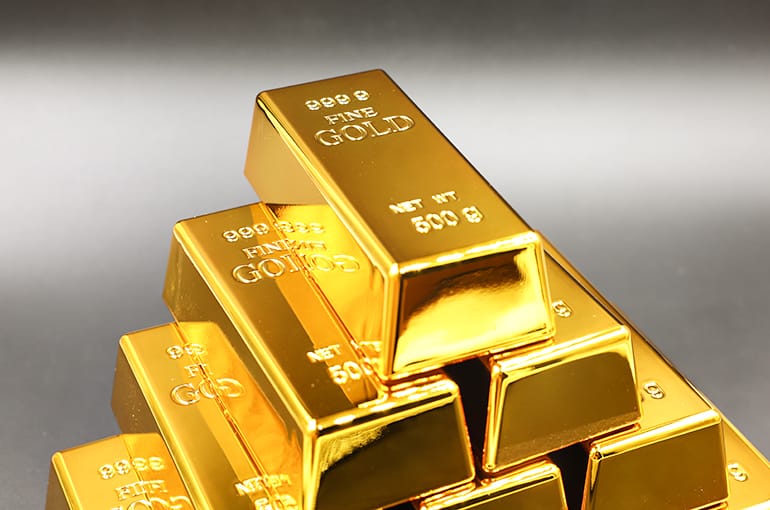
Gold has occupied a central role in global finance for thousands of years, serving as a store of value, medium of exchange, and hedge against systemic risk. From ancient civilizations to modern central banks, gold has consistently represented stability in times of uncertainty. In today’s evolving financial landscape—defined by persistent inflation, geopolitical tensions, and rapid technological innovation—gold is once again attracting global investor attention. However, the form in which investors access gold is changing.
- Introduction
- Historical Context: Gold’s Evolution as an Investment Asset
- Current Relevance: Why Tokenized Gold Matters Today (2023–2026)
- Deep Dive: What Is Tokenized Gold and How Does It Work?
- Advantages and Disadvantages of Tokenized Gold
- Comparison: Tokenized Gold vs Gold ETFs and Physical Gold
- Market Trends and Statistics
- Expert Commentary
- Risks and Considerations
- Practical Tips for Investors
- Conclusion
Tokenized gold represents a modern evolution of gold investment, combining the intrinsic value of physical bullion with the efficiency, liquidity, and transparency of blockchain technology. By issuing digital tokens that are fully backed by allocated physical gold stored in secure vaults, tokenized gold seeks to bridge the gap between traditional precious metals investing and the digital asset economy.
This innovation is particularly relevant in the United States and the Eurozone, where investors face a dual challenge: protecting capital against inflation while navigating increasingly complex financial markets. Rising interest rates, concerns over sovereign debt sustainability, and ongoing geopolitical instability have revived interest in gold as a safe-haven asset. At the same time, digital-native investors are demanding assets that integrate seamlessly with modern trading platforms, decentralized finance (DeFi), and global settlement systems.
Tokenized gold products such as XAUT (Tether Gold) and PAXG (Paxos Gold) have emerged as credible alternatives to traditional gold investment vehicles like physical bullion, gold coins, and gold ETFs. These instruments allow investors to gain exposure to gold without the logistical burdens of storage and insurance, while also enabling near-instant global transfers and fractional ownership.
This article provides an expert-level, comprehensive analysis of tokenized gold investing—how it works, why it matters in 2026, and how investors can evaluate its role within a diversified portfolio.
Historical Context: Gold’s Evolution as an Investment Asset
Gold’s monetary history is deeply intertwined with the development of modern economic systems. For centuries, gold functioned as money itself, valued for its scarcity, durability, and universal acceptance.
Key Historical Milestones
- Classical Gold Standard (1870s–1914): Major economies pegged their currencies directly to gold, ensuring monetary discipline and long-term price stability.
- Bretton Woods System (1944–1971): The U.S. dollar was convertible to gold at a fixed rate of $35 per ounce, while other currencies were pegged to the dollar.
- Nixon Shock (1971): The U.S. suspended gold convertibility, ending the gold-backed monetary system and ushering in the era of fiat currencies.
- Post-1971 Era: Gold transitioned from a monetary anchor to an investment asset, increasingly used as an inflation hedge and portfolio diversifier.
Throughout these shifts, gold retained its role as a hedge against currency debasement, political risk, and financial crises. The 2008 global financial crisis and the COVID-19 pandemic further reinforced gold’s appeal, driving renewed interest among both institutional and retail investors.
Tokenized gold represents the next chapter in this evolution—preserving gold’s fundamental properties while adapting it to digital capital markets.
Current Relevance: Why Tokenized Gold Matters Today (2023–2026)
Several macroeconomic and technological forces have converged to make tokenized gold particularly relevant in the current investment environment.
Inflation and Monetary Policy
Despite aggressive interest rate hikes by the Federal Reserve and the European Central Bank, inflation remains structurally elevated compared to pre-2020 levels. Persistent fiscal deficits and expanding public debt in both the U.S. and Eurozone continue to undermine long-term confidence in fiat currencies.
Gold remains a proven inflation hedge, and tokenized gold offers a more flexible way to access this protection.
Geopolitical Instability
Ongoing geopolitical conflicts, supply chain fragmentation, and shifting global alliances have increased demand for politically neutral assets. Gold’s lack of counterparty risk makes it attractive during periods of uncertainty.
Digital Asset Adoption
The maturation of blockchain infrastructure has enabled more secure, regulated, and transparent tokenized assets. Unlike early crypto experiments, modern tokenized gold products emphasize regulatory compliance, audited reserves, and institutional-grade custody.
Declining Trust in Traditional Intermediaries
After multiple banking stress events and high-profile institutional failures, investors increasingly seek assets that reduce reliance on centralized intermediaries while retaining real-world value.
Deep Dive: What Is Tokenized Gold and How Does It Work?
Tokenized gold is a digital representation of physical gold ownership, issued on a blockchain. Each token corresponds to a specific quantity of gold—typically one troy ounce—stored in professional vaults.
Core Characteristics
- Physical Backing: Each token is backed by allocated gold bars meeting LBMA standards.
- Blockchain Settlement: Ownership is recorded on public blockchains, enabling transparency and traceability.
- Fractional Ownership: Investors can own fractions of an ounce, lowering the barrier to entry.
- Redeemability: Token holders can typically redeem tokens for physical gold, subject to minimum thresholds and fees.
Platforms and Access
Investors can purchase tokenized gold through:
- Centralized cryptocurrency exchanges
- Digital asset wallets
- Some DeFi platforms (with additional smart contract risk)
Regulatory Considerations
In the U.S. and Eurozone, tokenized gold often falls under a hybrid regulatory framework, combining aspects of:
- Commodity regulation
- Digital asset compliance
- Custodial and anti-money laundering (AML) standards
Well-established issuers emphasize regulatory clarity, third-party audits, and transparent reporting.
Advantages and Disadvantages of Tokenized Gold
Advantages
- Direct Exposure to Physical Gold
Unlike many derivatives, tokenized gold is backed by allocated bullion, reducing counterparty risk. - High Liquidity and Accessibility
Tokens can be traded 24/7 globally, unlike physical gold or traditional exchanges. - Lower Transaction and Storage Costs
No need for personal vaults, insurance, or transportation. - Integration with Digital Finance
Tokenized gold can be used in modern portfolios alongside cryptocurrencies, stablecoins, and DeFi instruments.
Disadvantages
- Custodial Risk
Investors rely on issuers and vault providers to maintain proper reserves. - Regulatory Uncertainty
Digital asset regulations continue to evolve, particularly in cross-border contexts. - Blockchain-Specific Risks
Network congestion, smart contract vulnerabilities, or technical failures may impact usability. - Redemption Limitations
Physical redemption may involve minimum amounts, fees, and geographic constraints.
Comparison: Tokenized Gold vs Gold ETFs and Physical Gold
| Feature | Tokenized Gold | Gold ETF | Physical Gold |
|---|---|---|---|
| Ownership | Direct claim on gold | Indirect | Direct |
| Liquidity | Very high | High | Moderate |
| Storage | Issuer vault | Custodian | Investor |
| Accessibility | Global, 24/7 | Market hours | Limited |
| Minimum Investment | Fractional | Share price | Often high |
Tokenized gold occupies a middle ground—combining the physical backing of bullion with the liquidity of financial instruments.
Market Trends and Statistics
- Global gold demand remains supported by central bank purchases, particularly in emerging markets.
- Tokenized gold market capitalization has grown steadily since 2020, reflecting increased investor confidence.
- Retail participation is rising, especially among younger investors seeking alternatives to traditional gold ETFs.
Analysts project continued growth through 2026 as regulatory clarity improves and institutional adoption expands.
Expert Commentary
Expert Opinion #1 (Fictionalized):
“Tokenized gold represents a structural shift in how investors access hard assets. It preserves gold’s defensive properties while aligning with modern capital flows.”
— Dr. Michael Harrington, Precious Metals Strategist
Expert Opinion #2 (Fictionalized):
“For investors seeking inflation protection without the operational friction of physical bullion, tokenized gold is an increasingly compelling option.”
— Elena Weiss, Digital Asset Analyst
Risks and Considerations
Investors should carefully evaluate:
- Issuer transparency and audit frequency
- Jurisdiction of vault storage
- Legal rights associated with token ownership
- Liquidity conditions across trading venues
Tokenized gold is not risk-free and should be integrated thoughtfully into a broader investment strategy.
Practical Tips for Investors
- Research the issuer’s custody and audit practices
- Use reputable exchanges or wallets
- Avoid overconcentration—diversification remains essential
- Understand redemption terms before investing
- Monitor regulatory developments in your jurisdiction
Conclusion
Tokenized gold represents a significant innovation in precious metals investing, merging the timeless value of gold with the efficiency of digital finance. In an era defined by inflationary pressures, geopolitical uncertainty, and rapid technological change, tokenized gold offers investors a flexible, transparent, and globally accessible safe-haven asset.
While it does not replace physical bullion or traditional gold ETFs entirely, tokenized gold adds a powerful new dimension to portfolio construction. As markets continue to evolve through 2026, investors who understand both its benefits and limitations will be best positioned to use tokenized gold effectively within a diversified strategy.