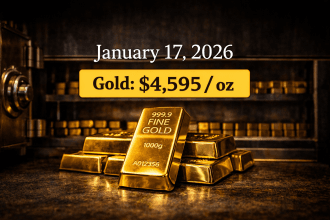



Exchange-traded funds revolutionized gold investing by providing accessible, liquid, and cost-effective exposure to precious metals without the complications of physical ownership. For investors seeking gold’s portfolio diversification benefits and inflation protection while avoiding storage concerns, security risks, and authentication challenges, gold ETFs represent an elegant modern solution.
This comprehensive guide explores everything you need to know about gold ETF investing, from understanding how these funds operate to selecting the best options for your portfolio. We’ll examine the top gold ETFs available globally, walk through the practical steps of purchasing shares through brokers, analyze fee structures and tax implications, and provide strategic insights for effectively incorporating gold ETFs into diversified investment portfolios.
Understanding Gold ETFs: Structure and Mechanics
Gold exchange-traded funds provide investment vehicles that track gold prices by holding physical bullion, gold futures contracts, or shares in gold mining companies. Understanding how these funds operate helps investors select appropriate options aligned with their specific goals and risk tolerance.
What Are Gold ETFs and How Do They Work
Gold ETFs are investment funds that trade on stock exchanges like regular stocks, allowing investors to gain gold exposure through standard brokerage accounts. Unlike mutual funds that price once daily at net asset value, ETFs trade continuously throughout market hours at prices determined by supply and demand, though typically tracking their underlying assets closely.
The fund structure involves a sponsor organization that creates the ETF, authorized participants who facilitate share creation and redemption, custodians who store physical gold, and ultimately retail investors who buy and sell shares through brokers. This ecosystem ensures ETF share prices remain aligned with underlying gold values through arbitrage mechanisms.
When you purchase gold ETF shares, you’re buying fractional ownership in a trust or fund holding gold bullion in secure vaults. Each share represents a specific quantity of gold, typically a fraction of an ounce. As gold prices rise or fall, share prices move correspondingly, providing direct exposure to gold price movements without physical possession.
The creation and redemption mechanism distinguishes ETFs from closed-end funds. Authorized participants can create new ETF shares by depositing gold with the fund or redeem existing shares for physical gold. This process keeps ETF market prices closely aligned with net asset values by allowing arbitrage when discrepancies arise.
Types of Gold ETFs
Physical gold ETFs hold actual bullion in vaults, with each share representing ownership in the fund’s gold holdings. These funds provide the most direct exposure to gold prices, moving in near-perfect correlation with spot gold values. Examples include SPDR Gold Shares, iShares Gold Trust, and similar vehicles focused purely on bullion holdings.
Gold mining ETFs invest in companies that extract gold rather than holding physical metal. These funds provide leveraged exposure to gold prices, as mining stocks typically amplify gold price movements in both directions. Rising gold prices increase mining profitability dramatically, while falling prices squeeze margins. Mining ETFs also carry company-specific risks including operational challenges, management quality, and geopolitical issues affecting mining locations.
Gold futures ETFs use derivatives contracts rather than physical gold to gain exposure. These funds can provide efficient tracking with potentially lower costs but introduce complications including contango effects when futures prices exceed spot prices, forcing funds to roll contracts at losses. Futures-based ETFs suit sophisticated investors understanding derivatives but may underperform physical gold over time due to roll costs.
Leveraged and inverse gold ETFs use derivatives to amplify returns or profit from declining gold prices. A 2x leveraged gold ETF aims to return twice the daily percentage change in gold prices, while inverse ETFs profit when gold falls. These complex instruments serve short-term trading strategies rather than long-term investing due to daily rebalancing effects that create decay over extended periods.
Advantages of Gold ETFs Over Physical Gold
Gold ETFs eliminate storage and security concerns that plague physical gold ownership. You need no safe, vault, or insurance to protect holdings. The fund custodian handles all security arrangements, allowing you to benefit from institutional-grade protection without individual responsibility or expense.
Liquidity advantages prove substantial, as you can buy or sell shares instantly during market hours through any brokerage account at transparent prices. Physical gold requires finding dealers, negotiating prices, arranging transportation, and verifying authenticity. ETF transactions complete with the same ease as stock trades.
Cost efficiency represents another key benefit. Physical gold carries premiums of three to eight percent above spot prices when purchasing and similar discounts when selling. ETFs typically trade at minimal premiums or discounts to net asset value, with total transaction costs often under one percent. For investors frequently adjusting positions, this cost difference compounds significantly.
Fractional ownership through ETFs allows precise position sizing. While physical gold comes in specific sizes like one-ounce coins, ETFs permit buying any dollar amount, facilitating exact portfolio allocations. Investors can purchase fifty or five hundred dollars of gold exposure as easily as five thousand or fifty thousand.
Tax advantages in certain jurisdictions favor ETFs over physical gold. Some countries treat physical gold as collectibles subject to higher tax rates, while ETFs may qualify for standard capital gains treatment. Additionally, ETFs held in retirement accounts like IRAs enjoy tax-deferred growth, and many physical gold products don’t qualify for such accounts.
Disadvantages and Limitations of Gold ETFs
Gold ETFs don’t provide physical possession, which some investors value for crisis scenarios when financial systems might fail. You hold shares representing gold ownership rather than tangible metal you can hold or use directly. This distinction matters to investors seeking gold specifically for its tangible, possession-based security.
Counterparty risk exists, as ETFs depend on sponsor solvency, custodian reliability, and proper fund management. While major ETFs enjoy strong reputations and insurance, they’re not completely risk-free like physical gold stored securely. Fund failures, though extremely rare, could theoretically impact investors.
Annual expense ratios reduce returns over time. While often modest, fees of 0.25% to 0.40% annually compound across decades, creating meaningful performance drag. Physical gold carries no ongoing fees once purchased and securely stored, though storage costs often exceed ETF expenses.
You cannot take physical delivery from most gold ETFs, which prohibit share redemption for actual metal by retail investors. This restriction means ETFs don’t work for investors specifically wanting gold coins or bars for personal possession, gifting, or barter scenarios.
Top Gold ETFs in the World
The global gold ETF market offers numerous options varying in size, expense ratios, structure, and geographic focus. Understanding the leading funds helps investors select vehicles best matching their specific needs and preferences.
SPDR Gold Shares (GLD)
SPDR Gold Shares stands as the world’s largest and most liquid gold ETF, managing over sixty billion dollars in assets. Launched in 2004, GLD pioneered the modern gold ETF category and maintains its position as the industry benchmark.
The fund holds physical gold bars in HSBC vaults in London, with each share representing approximately one-tenth of an ounce of gold. GLD tracks spot gold prices closely through its physical backing, providing straightforward exposure without futures contracts or derivatives complications.
Expense ratio of 0.40% annually represents the higher end among gold ETFs but remains reasonable given the fund’s size, liquidity, and established track record. Trading volume exceeds eight million shares daily, ensuring tight bid-ask spreads and easy execution for positions of any size.
GLD suits investors prioritizing maximum liquidity, institutional-grade security, and proven track records. The fund’s massive size and deep market presence make it ideal for large positions or frequent trading. Tax treatment varies by jurisdiction, with some countries classifying GLD as collectible rather than standard equity for capital gains purposes.
iShares Gold Trust (IAU)
iShares Gold Trust offers similar structure to GLD but with lower expense ratio of 0.25%, making it attractive for cost-conscious long-term investors. Launched in 2005 shortly after GLD, IAU has grown to over thirty billion dollars in assets under management.
The fund holds physical gold in JP Morgan vaults, providing institutional-grade security comparable to GLD. Each share represents approximately one-hundredth of an ounce, allowing more precise position sizing for smaller investors compared to GLD’s larger per-share gold content.
IAU’s lower expenses translate to approximately 0.15% annual savings compared to GLD, which compounds meaningfully over decades for buy-and-hold investors. Trading volume, while lower than GLD, remains robust at over five million shares daily, ensuring adequate liquidity for most investors.
This ETF suits long-term investors prioritizing cost efficiency over maximum liquidity. The expense savings benefit patient investors holding positions for years or decades, while active traders might prefer GLD’s superior liquidity and tighter spreads offsetting its higher fees.
Aberdeen Standard Physical Gold Shares ETF (SGOL)
Aberdeen Standard Physical Gold Shares distinguishes itself through diversified storage across multiple jurisdictions including Switzerland, the United Kingdom, and potentially other locations. This geographic diversification reduces concentration risk compared to funds storing all gold in single vaults.
SGOL charges 0.17% expense ratio, among the lowest for physically-backed gold ETFs. The fund has grown to over three billion dollars in assets, providing solid liquidity while maintaining competitive cost structure.
The fund appeals to investors concerned about geographic concentration risk or those preferring Swiss vault security specifically. Switzerland’s strong property rights tradition and political neutrality provide comfort to investors seeking maximum security and legal protection for precious metals holdings.
Perth Mint Physical Gold ETF (AAAU)
Perth Mint Physical Gold ETF offers unique structure where the government of Western Australia guarantees the gold backing through the Perth Mint’s government ownership. This sovereign guarantee distinguishes AAAU from privately-managed alternatives.
With 0.18% expense ratio, AAAU provides cost-competitive exposure while offering the psychological comfort of government backing. Assets under management exceed one billion dollars, indicating growing investor acceptance.
The fund stores gold at the Perth Mint in Australia, providing geographic diversification for investors whose other holdings concentrate in North American or European vaults. Australian legal and political stability combined with the mint’s century-plus operating history support confidence in long-term security.
GraniteShares Gold Trust (BAR)
GraniteShares Gold Trust charges just 0.1749% expense ratio, making it one of the lowest-cost physically-backed gold ETFs available. This aggressive pricing aims to attract cost-sensitive investors from more established competitors.
Despite relatively small assets under management compared to giants like GLD and IAU, BAR maintains adequate liquidity for most retail investors. The fund holds physical gold in secure vaults and operates with similar structure to larger alternatives.
BAR suits investors prioritizing absolute minimum costs and comfortable with smaller fund size. The expense savings compound significantly over decades, potentially justifying acceptance of somewhat lower liquidity compared to category leaders.
VanEck Vectors Gold Miners ETF (GDX)
VanEck Vectors Gold Miners ETF provides exposure to gold through equity ownership in mining companies rather than physical bullion. With over fourteen billion dollars in assets, GDX represents the largest and most liquid gold mining ETF globally.
The fund holds diversified portfolio of gold mining companies, weighted by market capitalization. Major holdings typically include Newmont Corporation, Barrick Gold, Franco-Nevada, and similar major producers. This approach provides leveraged exposure to gold prices, as mining stocks tend to amplify bullion price movements.
Expense ratio of 0.51% reflects the active management required for equity portfolios compared to passive bullion holdings. The fund pays dividends from mining company distributions, unlike physical gold ETFs that generate no income.
GDX suits investors seeking higher potential returns than pure gold exposure provides, accepting increased volatility and company-specific risks. Mining stocks can dramatically outperform gold during bull markets but may underperform during bear markets or when individual companies face operational challenges.
VanEck Vectors Junior Gold Miners ETF (GDXJ)
VanEck Vectors Junior Gold Miners ETF focuses on smaller mining companies, providing even more leveraged gold exposure than GDX. Junior miners typically show higher volatility but potentially greater appreciation during gold bull markets.
The fund holds diverse portfolio of small and mid-cap mining companies exploring for new deposits, developing projects, or operating smaller-scale mines. These companies carry higher risk than established majors but offer potential for explosive growth if they discover significant deposits or successfully bring mines into production.
With 0.53% expense ratio and over four billion in assets, GDXJ provides reasonable liquidity for accessing junior mining exposure. The fund suits aggressive investors with high risk tolerance seeking maximum leverage to gold price increases, accepting substantial volatility and company-specific risks.
How to Buy Gold ETFs Through Your Broker
Purchasing gold ETF shares proves straightforward for anyone with brokerage account access, requiring no special qualifications or complex procedures beyond standard stock trading capabilities.
Opening a Brokerage Account
If you don’t already have a brokerage account, begin by selecting a broker offering low-cost trading, user-friendly platforms, and access to your desired gold ETFs. Major online brokers including Fidelity, Charles Schwab, TD Ameritrade, Interactive Brokers, and Vanguard all provide excellent platforms with competitive pricing.
Account opening requires providing personal identification information, financial details for funding, and completing regulatory forms verifying your investment experience and risk tolerance. Most brokers complete account approval within one to three business days, with some offering instant approval for qualified applicants.
Consider account type carefully. Individual taxable accounts offer maximum flexibility, while retirement accounts like Traditional IRAs or Roth IRAs provide tax advantages but restrict access until retirement age. Many investors hold gold ETFs in both account types, balancing tax efficiency with liquidity needs.
Funding Your Account
Transfer funds to your brokerage account through bank wire transfer, ACH electronic transfer, or check deposit. ACH transfers typically take three to five business days but cost nothing, while wire transfers complete within one day but may carry fees. Some brokers allow trading with unsettled funds, while others require cleared deposits before purchases.
Determine how much you wish to allocate to gold based on your overall investment strategy and asset allocation targets. Most financial advisors recommend gold positions between five and fifteen percent of total portfolio value for diversification benefits without excessive concentration.
Placing Your First Gold ETF Order
Access your broker’s trading platform through website or mobile application. Use the search function to find your desired ETF by ticker symbol (GLD, IAU, SGOL, etc.). The platform displays current price, trading volume, bid-ask spread, and other relevant information.
Decide between market orders and limit orders. Market orders execute immediately at current market price, ensuring completion but accepting whatever price the market offers. Limit orders specify maximum price you’ll pay, protecting against unfavorable execution but risking non-completion if price moves away from your limit.
For liquid ETFs like GLD or IAU, market orders during regular trading hours work fine, as tight bid-ask spreads ensure fair pricing. For smaller ETFs or large orders, limit orders provide price protection. Enter your desired share quantity and review the estimated total cost including any trading commissions your broker charges.
Execution and Settlement
After submitting your order, execution occurs within seconds for market orders on liquid ETFs. Your broker confirms the trade, displaying shares purchased, execution price, and total cost. Settlement typically occurs two business days after trade date (T+2), when ownership officially transfers and cash deducts from your account.
Most brokers display positions immediately in your portfolio despite formal settlement delays. You can sell shares before settlement completes, though frequent day trading may trigger good faith violation warnings or restrictions depending on account type and broker policies.
Building Your Position Over Time
Rather than investing your entire allocation immediately, consider dollar-cost averaging by spreading purchases across several months. This approach reduces timing risk by averaging entry prices across different market conditions, preventing the regret of investing large sums immediately before market declines.
Set up automatic investments through your broker if available, directing specified dollar amounts to purchase gold ETF shares monthly or quarterly. This disciplined approach removes emotional decision-making and builds positions systematically regardless of short-term price movements.
Understanding Fees, Expenses, and Tax Implications
Gold ETF investing involves various costs and tax considerations that impact net returns and optimal strategy. Understanding these factors helps investors make informed decisions and optimize after-tax performance.
Expense Ratios and Management Fees
Expense ratios represent annual fees charged by ETF sponsors to cover fund management, custodian services, marketing, and operations. These fees deduct automatically from fund assets, reducing the share price slightly rather than billing investors directly. A fund with 0.40% expense ratio effectively reduces returns by that amount annually.
While seemingly small, expense differences compound significantly over time. An investor holding gold ETFs for thirty years pays cumulative fees of twelve percent with a 0.40% expense ratio versus just five percent with 0.15% expenses, a seven percentage point difference that substantially impacts terminal wealth.
However, expense ratios shouldn’t be the sole selection criteria. Very low-cost funds with inadequate liquidity may carry wider bid-ask spreads that exceed expense savings through poor trade execution. Balance expense ratios against liquidity, fund size, and other factors when selecting ETFs.
Trading Commissions and Transaction Costs
Most major brokers now offer commission-free trading for stocks and ETFs, eliminating per-trade costs that historically favored large infrequent trades over small regular purchases. This development makes dollar-cost averaging and frequent rebalancing economically feasible.
However, commission-free doesn’t mean cost-free. Bid-ask spreads represent the difference between prices where you can sell (bid) versus buy (ask) shares. Liquid ETFs like GLD and IAU typically show spreads of just a few cents on share prices of hundreds of dollars, representing minimal cost. Smaller ETFs may show wider spreads that function as hidden transaction costs.
When trading, always check the bid-ask spread and consider using limit orders to avoid paying excessive spreads during volatile periods. For liquid ETFs, spreads typically range from 0.01% to 0.05% of share price, negligible for long-term investors but relevant for active traders making frequent transactions.
Premium and Discount to Net Asset Value
ETFs occasionally trade at slight premiums or discounts to their net asset value, representing the actual value of underlying gold holdings per share. Arbitrage by authorized participants typically keeps these deviations minimal for liquid funds, generally under 0.25%.
Before purchasing, check the fund’s premium or discount, available on the sponsor’s website or financial data providers. Avoid buying at significant premiums or selling at meaningful discounts when possible. Wait for prices to normalize rather than accepting unfavorable execution when deviations exceed normal ranges.
Dividend Considerations
Physical gold generates no income, so gold bullion ETFs pay no dividends. The funds don’t distribute earnings because they hold non-income-producing assets. This characteristic makes gold ETFs tax-efficient in taxable accounts, as you incur no annual tax liability from dividend distributions.
Gold mining ETFs do pay dividends, distributing income received from underlying mining stocks. These dividends typically qualify as ordinary income or qualified dividends depending on specific circumstances, generating annual tax obligations in taxable accounts even without selling shares.
Capital Gains Tax Treatment
When selling gold ETF shares at profit, capital gains taxes apply to the appreciation. Tax rates depend on holding period and your jurisdiction. In the United States, shares held over one year qualify for long-term capital gains rates (typically zero to twenty percent depending on income), while shorter holding periods incur ordinary income rates.
Some jurisdictions treat certain gold ETFs as collectibles subject to higher maximum tax rates. For instance, the United States taxes collectibles gains at maximum twenty-eight percent versus twenty percent for other long-term capital gains. Physical gold ETFs structured as grantor trusts may fall under these rules, while others structured differently avoid collectible classification.
Consult tax professionals familiar with precious metals investing to understand specific treatment in your jurisdiction. Tax efficiency considerations may influence which ETFs you select and which account types you use for holdings.
Tax-Loss Harvesting Opportunities
Gold ETF price volatility creates tax-loss harvesting opportunities where you sell positions showing losses to realize capital losses for tax purposes, then immediately purchase similar but not identical ETFs to maintain gold exposure while capturing tax benefits.
For example, sell GLD at a loss and immediately purchase IAU, or vice versa. These substantially different ETFs avoid wash sale rules prohibiting tax-loss recognition when buying identical securities within thirty days. The strategy allows harvesting losses for tax deductions while maintaining desired gold allocation.
Retirement Account Considerations
Holding gold ETFs in retirement accounts like Traditional IRAs, Roth IRAs, or 401(k) plans provides tax advantages worth considering. Traditional IRA contributions may reduce current taxable income, while growth accumulates tax-deferred until retirement withdrawals. Roth IRA growth and qualified distributions occur tax-free.
Not all gold products qualify for retirement accounts, but most mainstream gold ETFs including GLD, IAU, and similar vehicles receive IRS approval. Check with your retirement account custodian to confirm specific ETF eligibility before purchasing.
Strategic Considerations for Gold ETF Investing
Successfully incorporating gold ETFs into investment portfolios requires understanding how gold fits within broader asset allocation frameworks and developing strategies aligned with your financial goals and market outlook.
Determining Appropriate Allocation
Financial advisors typically recommend gold allocations between five and fifteen percent of total portfolio value, providing meaningful diversification without excessive concentration. Conservative investors might favor lower allocations around five percent, while those concerned about inflation or market instability might increase exposure toward ten or fifteen percent.
Your specific allocation should reflect risk tolerance, investment timeline, economic outlook, and existing portfolio composition. Younger investors with long horizons and high risk tolerance might minimize gold in favor of growth assets, while those approaching retirement may increase gold for stability and capital preservation.
Rebalancing Strategies
Gold prices fluctuate independently from stocks and bonds, causing portfolio allocations to drift over time. Establish rebalancing discipline to maintain target allocations, selling overweight assets and buying underweight positions periodically.
Calendar-based rebalancing at fixed intervals like annually or quarterly provides simple systematic approach. Alternatively, rebalance when allocations drift beyond threshold bands, such as when gold exceeds target allocation by three to five percentage points.
ETF structure facilitates efficient rebalancing through liquid trading and no physical handling requirements. Use new contributions to purchase underweight assets when possible, minimizing transactions and tax consequences from selling appreciated positions.
Dollar-Cost Averaging vs Lump Sum
When establishing initial gold positions, decide between investing your entire allocation immediately or spreading purchases over time through dollar-cost averaging. Research shows lump-sum investing typically outperforms over long periods, as markets trend upward more than downward.
However, dollar-cost averaging provides psychological comfort by reducing timing risk and preventing regret if markets decline after initial purchase. This approach particularly suits investors uncomfortable investing large sums during uncertain market conditions or those worried about buying at market peaks.
Combining Gold ETFs with Other Precious Metals
Some investors diversify beyond gold to include silver, platinum, or palladium through ETFs tracking these metals. Multi-metal approaches spread precious metals exposure across assets with different supply-demand dynamics and industrial uses.
However, gold typically serves as the primary precious metals holding due to its superior liquidity, lower volatility than silver, and historical role as premier monetary metal. Consider other metals as supplements rather than replacements for core gold exposure.
Conclusion: Building Your Gold ETF Strategy
Gold ETFs provide accessible, efficient vehicles for incorporating precious metals into modern investment portfolios. These funds deliver gold’s diversification benefits and inflation protection while eliminating the complications, costs, and risks associated with physical ownership.
Selecting appropriate ETFs requires balancing expense ratios, liquidity, fund size, and structural features against your specific circumstances and preferences. Giants like GLD and IAU suit most investors through proven track records and superior liquidity, while specialized options like SGOL or AAAU appeal to those seeking specific storage locations or government guarantees.
Purchasing gold ETFs through brokerage accounts proves straightforward, requiring only standard trading capabilities and thoughtful consideration of order types and execution timing. Commission-free trading at major brokers facilitates systematic accumulation through dollar-cost averaging and disciplined rebalancing without excessive transaction costs.
Understanding fee structures, tax implications, and strategic considerations helps optimize net returns and align gold holdings with overall financial plans. Maintain appropriate allocations between five and fifteen percent for most portfolios, rebalance systematically, and consider tax-advantaged retirement accounts for long-term holdings.
Gold ETFs democratized precious metals investing by removing barriers that previously limited gold ownership to wealthy individuals or those comfortable managing physical storage and security. Whether seeking portfolio insurance against market volatility, inflation protection during periods of currency debasement, or simply prudent diversification across uncorrelated assets, gold ETFs provide elegant solutions accessible to all investors.
Begin with clear understanding of your investment goals, risk tolerance, and desired gold allocation. Select ETFs matching your priorities, establish positions through systematic purchases, and maintain discipline through market cycles. By incorporating gold ETFs thoughtfully within diversified portfolios, you harness precious metals’ protective qualities while enjoying modern financial markets’ efficiency and convenience.